Q&A
What are the measurements of your flags?
We offer flags in two sizes: 60x90 cm and 100x150 cm. Both follow the standard 2:3 flag ratio. The smaller size is perfect for protests on a pole. It is visible enough to make an impact, but easy on your arms. I love wearing the larger 100x150 cm version as a scarf at protests, and it also looks great displayed on a balcony, in an office or at an institution. Of course, it works on a pole too when you want to be seen.
Why are there two versions?
We use synthetic fabrics only for flags intended for permanent outdoor display in rain and wind. For those, we source durable leftover materials built to last. The cotton version is ideal for everything else: indoor display, protests, prides and events. The larger size also works beautifully as a shoulder scarf — or even a picnic blanket.
What fastening systems do your flags have?
Every flag has a pole sleeve on the left side — 4 cm wide on the smaller flag and 5 cm on the larger one. Each flag also comes with fabric ties that you can use to attach it to any pole, fence or railing with two simple knots. We want our flags to be as versatile as possible.
Why does the colour shade slightly differ from the photos?
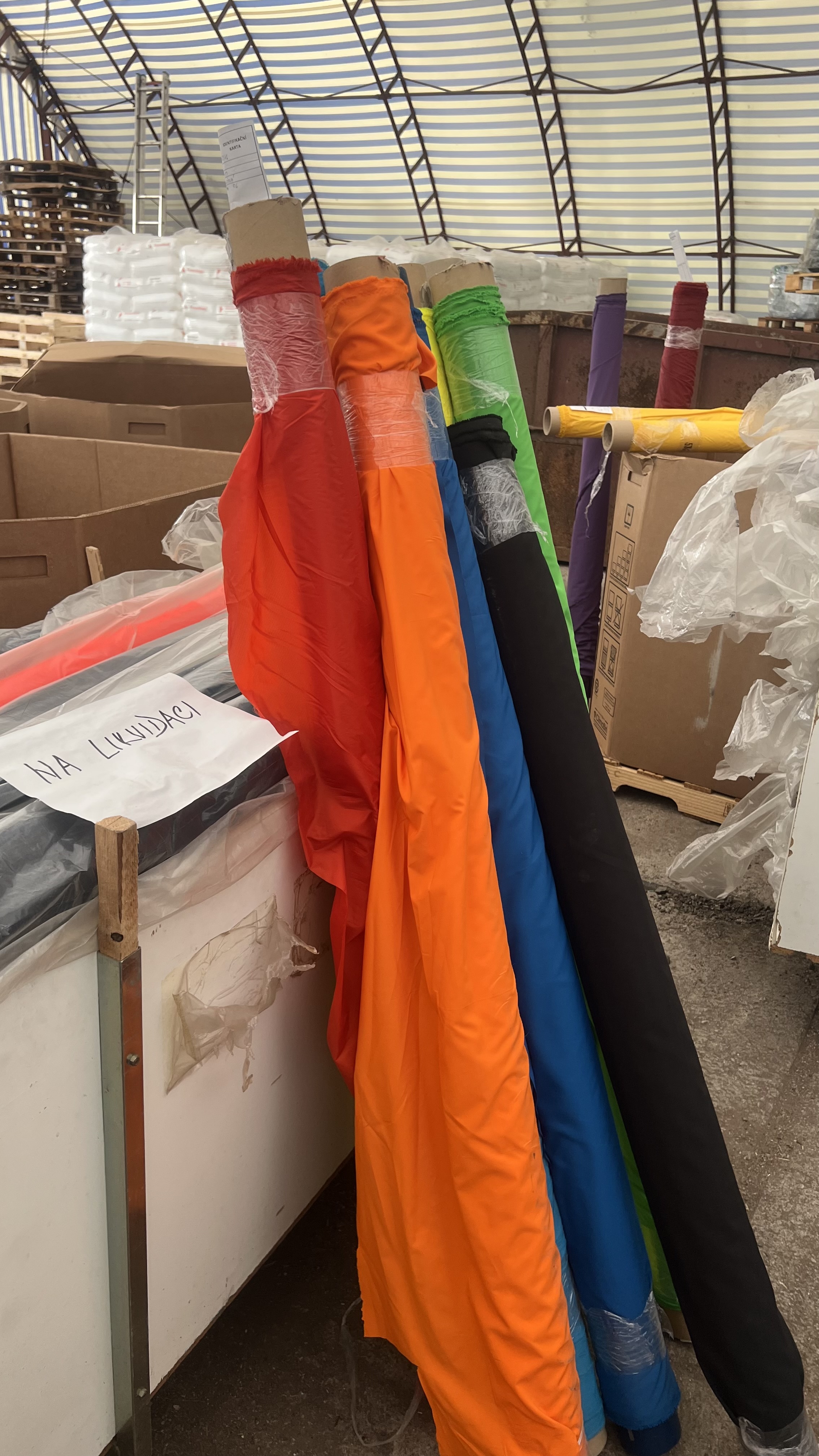
Standard flags are produced by printing onto new white fabric. We have decided to make a more sustainable alternative and produce flags from leftover fabrics that already exist and would otherwise go to waste. We use end-of-roll offcuts, leftovers from clothing or bedding production, and deadstock materials. We even buy small pieces that might be enough for just one flag. This way we give a second life to materials whose production already consumed significant amounts of water, dye, electricity and labour. As a result of this slower, more intentional production process, the yellow on your pride flag might look slightly different each time. But don't worry, it will always be recognisably yellow, and it will always be recognisably a pride flag. The advantage is that every flag is unique and by purchasing one, you are supporting a production approach that values already existing resources.
What does deadstock material mean?
The term is used in the context of sustainable textile production. Fabric manufacturers produce more than they end up selling. This happens for various reasons: overproduction, a colour deviation, or a small flaw during the weaving process that makes an entire roll (sometimes 100 metres long) unsellable. These fabrics then sit "dead" in storage with nowhere to go. Fortunately, they are increasingly being sold on and given a new life.
Can I order a flag that you are currently not offering?
Can't find the flag you're looking for? No problem, we are happy to help. Whether you need one flag or fifty, get in touch at info@ethicalflags.eu and we will work something out. Are you a non-profit organisation? Contact us, we would love to offer you a discount. ♥